
Why an unsealed garage floor is a problem
A garage floor is one of the hardest-working slabs on any property, and in Southwestern Ontario it faces a specific challenge most other concrete does not: every vehicle that pulls in during winter is tracking in road salt, brine and melted snow, day after day. That salty moisture sits on unsealed concrete, soaks in, and slowly breaks down the surface from the inside, leading to the chalky, dusty texture homeowners often assume is just how concrete ages. It is not. It is unsealed concrete losing its surface integrity.
All-Seal's garage floor sealing closes off that entry point. We apply sealers built for the abuse a garage floor takes, from dripping oil to dragged tools to the daily parade of salty tires, so the surface stays solid and far easier to keep clean.
Road salt does not stay outside
Homeowners along the Highway 401 corridor and throughout Oxford County, Brant County and the surrounding region deal with heavier salting on major roads through a typical winter, and every bit of it ends up on garage floors as slush melts off tires and undercarriages. That concentrated salt exposure inside a garage is often worse than what a driveway sees, simply because it pools and sits rather than washing away in the next rain. A sealed garage floor keeps that salt on the surface where it can be swept or mopped up, rather than letting it work into the concrete.
Stopping oil and chemical stains before they set
Oil drips, brake fluid, antifreeze and windshield washer fluid are a fact of life in any garage, and unsealed concrete absorbs all of them almost immediately. Once oil has soaked into bare concrete, it is extremely difficult to fully remove. Sealing gives the surface a barrier that keeps fluids sitting on top long enough to wipe up, instead of disappearing into the slab and leaving a permanent dark stain behind.
Preventing concrete dusting
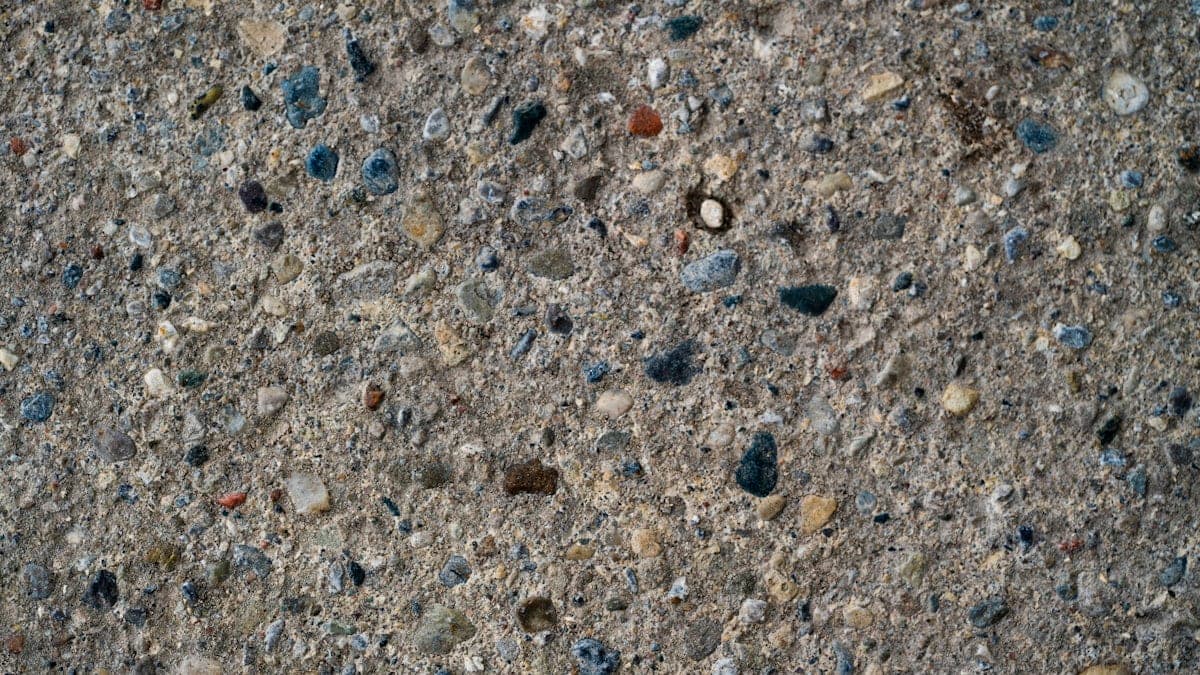
Dusting is that fine grey powder that seems to appear on garage floors no matter how often you sweep. It happens when the surface layer of unsealed concrete slowly wears away under tire traffic, foot traffic and moisture cycling. It is more than a nuisance; it is a sign the surface is deteriorating. A properly sealed garage floor stops that wear at the surface, so you are not sweeping up a little more of your floor every week.
- Blocks road salt and de-icer chemicals tracked in by vehicles
- Resists oil, gas, brake fluid and antifreeze stains
- Stops concrete dusting and surface wear
- Much easier to sweep and mop clean
- Suitable for daily vehicle and foot traffic
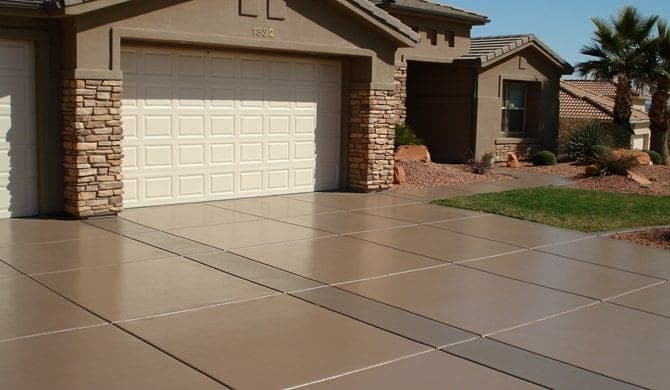
- Available in clear or tinted finishes
Clear or tinted finishes
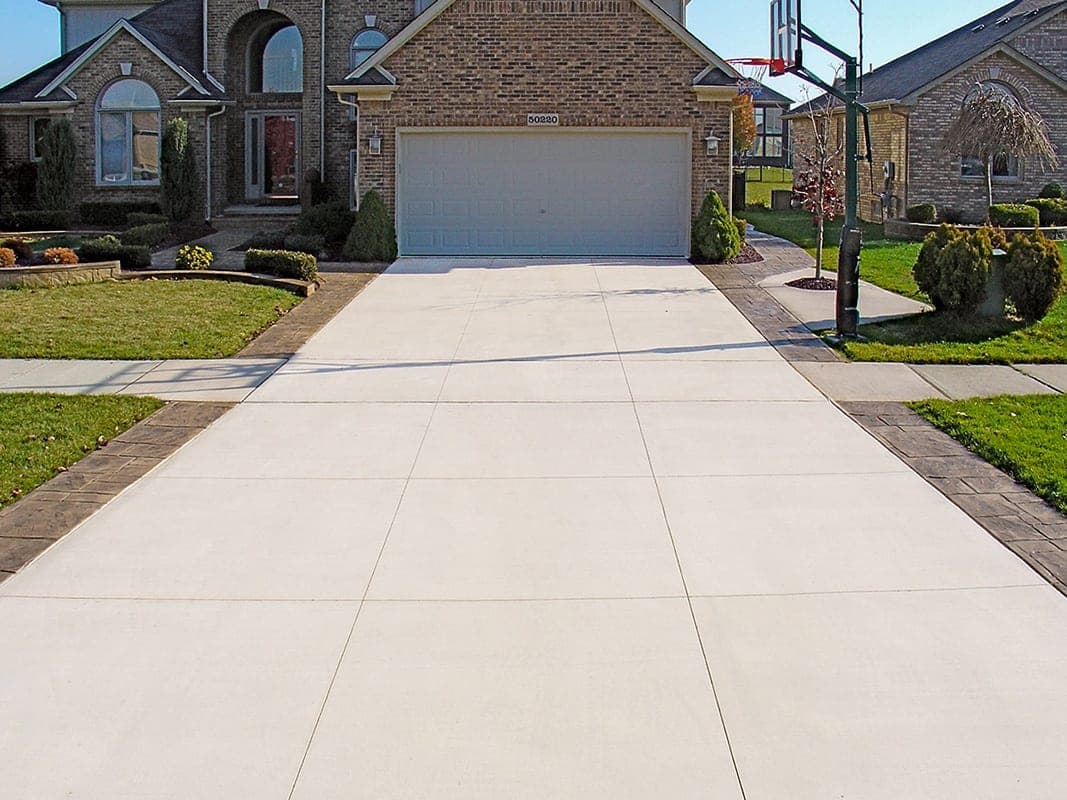
Most garage floors are sealed with a clear finish that keeps the natural concrete look while adding full protection, which suits garages used primarily for parking and storage. Homeowners who use their garage as a workshop or extra living space sometimes prefer a tinted option for a more finished, showroom look. We can talk through both during your inspection based on how you actually use the space.
Sealing over a previously coated floor
If your garage floor already has an epoxy coating, paint or a previous sealer, we check its condition before recommending a plan. A coating that is intact and bonded well can sometimes be cleaned and resealed, while a peeling or failing coating needs to be addressed first so the new sealer bonds to sound concrete rather than a compromised surface.
A more comfortable, cleaner space to work in
Beyond protecting the concrete itself, a sealed garage floor is simply a nicer space to spend time in. Dropped tools, spilled paint and tracked-in dirt all wipe up far more easily off a sealed surface than off bare, porous concrete, and the finished look makes a garage feel less like an afterthought and more like a usable part of the home. For homeowners who use the garage as a workshop, that easier cleanup adds up over the course of a year of projects.
Best time to seal a garage floor
Garage floor sealing can be done nearly any time the space is not in active winter use, though many homeowners schedule it in fall before the salt season starts, so the floor is fully protected the first time a snowy tire rolls in for the winter.