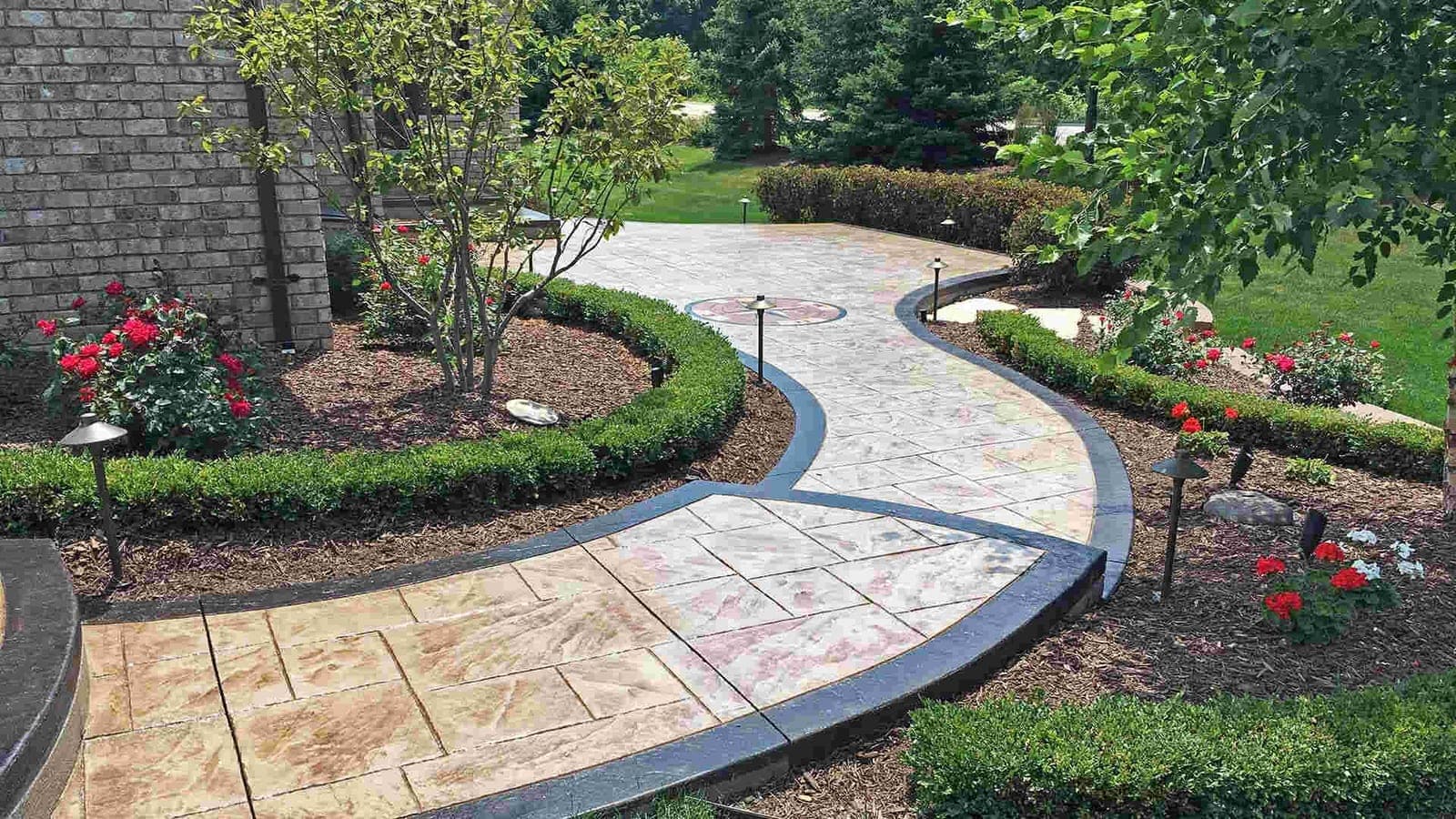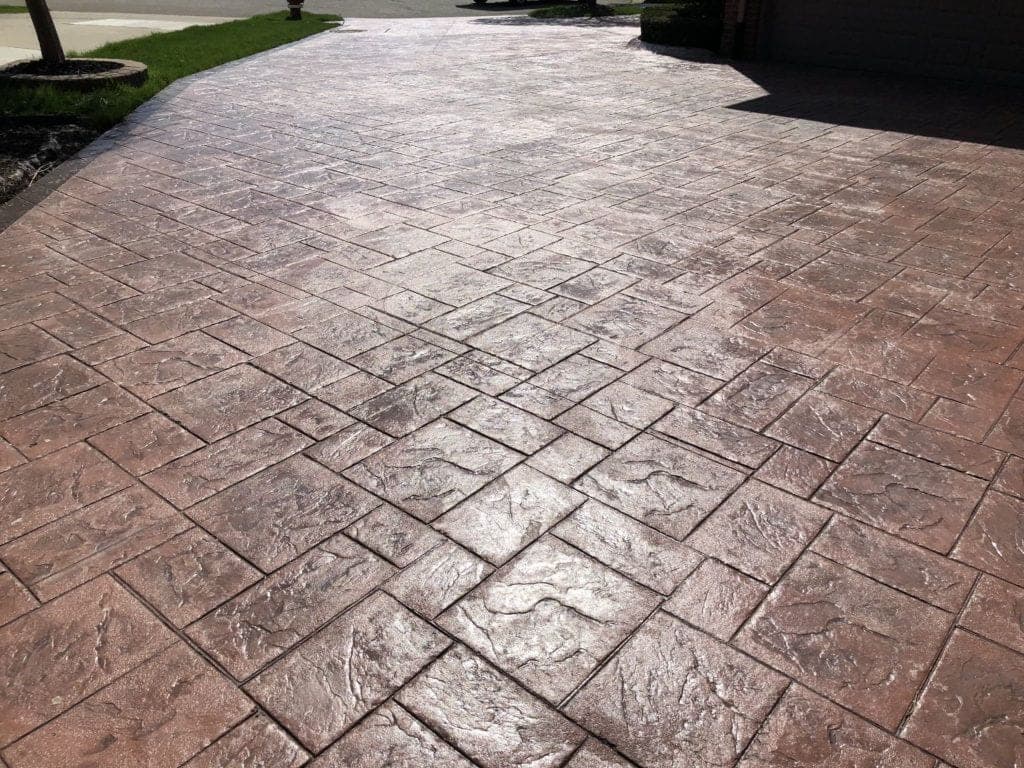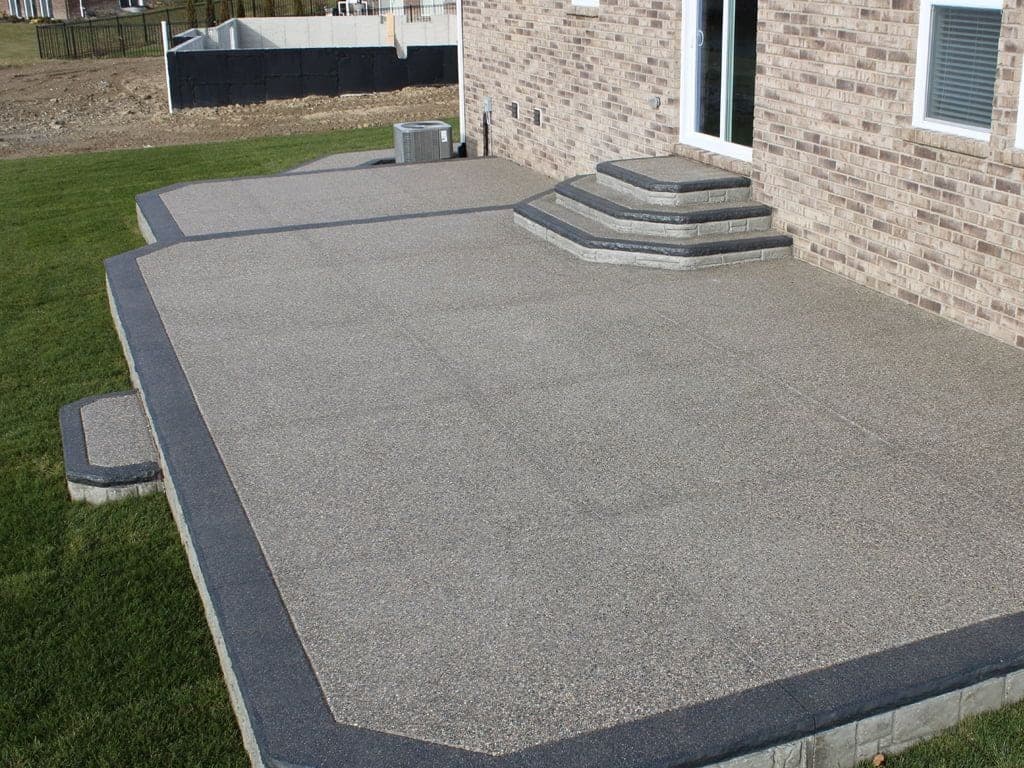
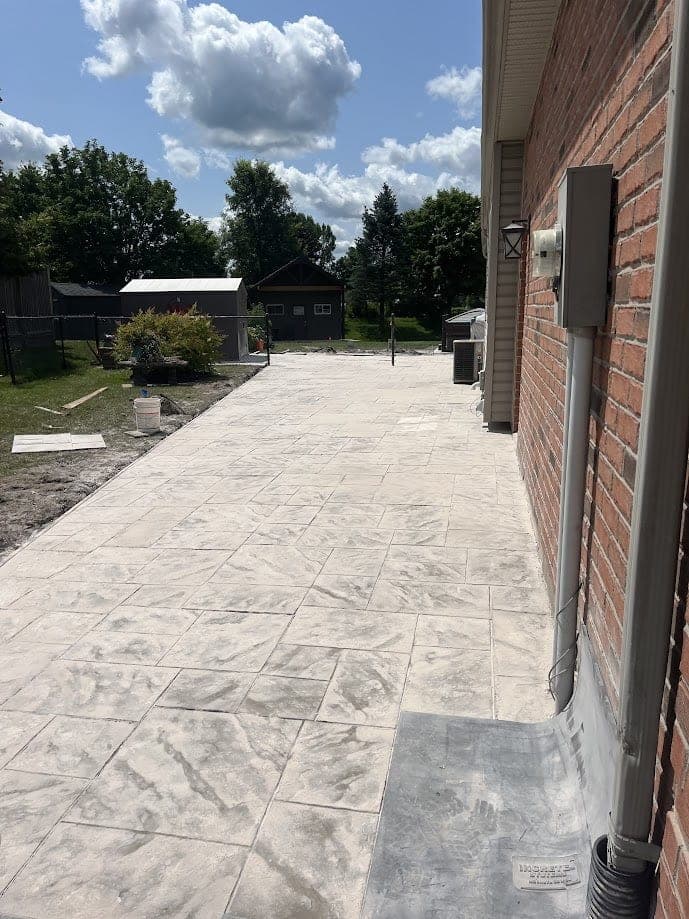
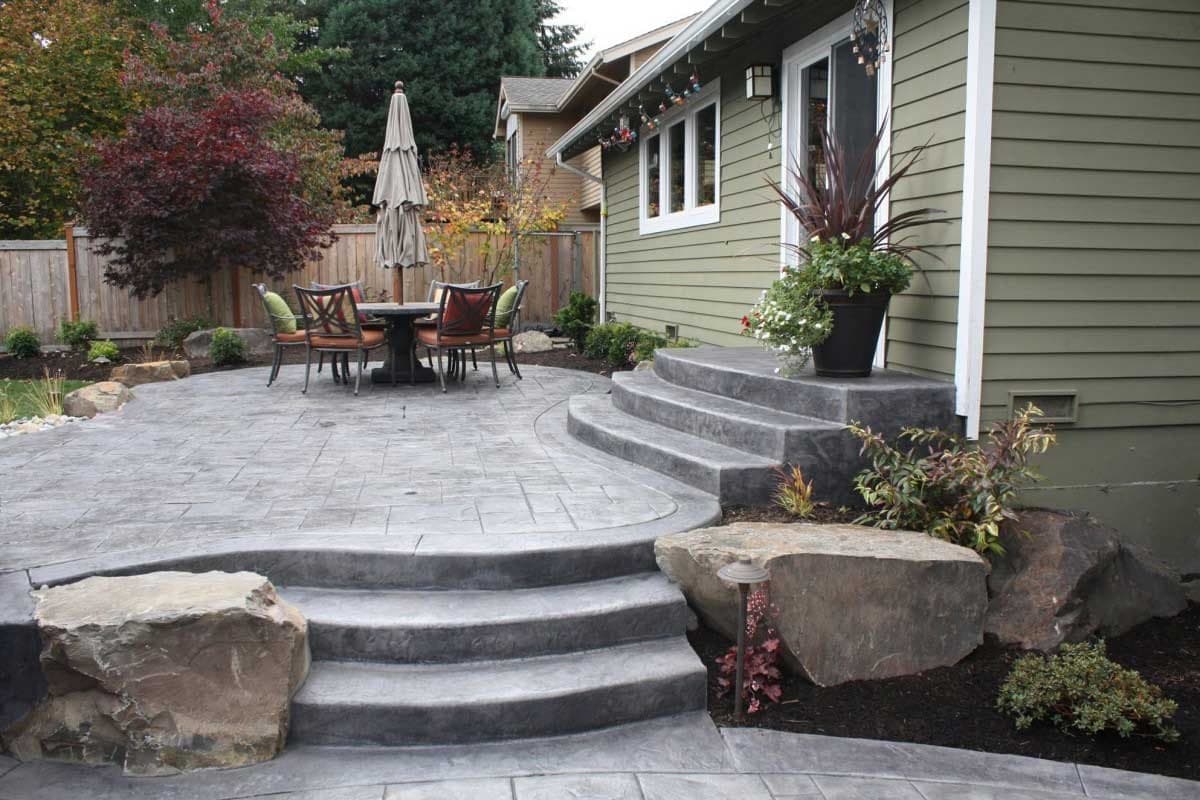
Exposed aggregate patio and steps sealed in a matte finish beside a brick home

Pool Season Protection

Pool Deck Sealing for a Safer, Cooler Deck

A pool deck lives in water and sun for months at a time, which makes it one of the hardest surfaces on your property to protect. All-Seal seals pool decks with anti-slip sealers that guard against chlorine, water damage and algae while keeping bare feet safe.

Recommended finish

Matte

Matte is standard around pools because it pairs naturally with the anti-slip additive and avoids the glare a glossier finish can create in direct sun near the water.

Compare finishes

What's included

How we seal pool deck

  1. 1

    On-site inspection

    We assess the full pool surround, checking drainage, existing cracks and how the deck currently handles splash and rain water.

  2. 2

    Pressure washing

    The deck is pressure washed to remove algae, mildew, sunscreen residue and chlorine deposits before anything is sealed over top.

  3. 3

    Crack and joint repair

    Cracks near coping, steps and drains are repaired first, since these are the areas most exposed to standing water around a pool.

  4. 4

    Full drying period

    We make sure the deck is completely dry before sealing, which matters even more around a pool where humidity lingers longer.

  5. 5

    Anti-slip sealer application

    Sealer with anti-slip additive is applied evenly across the full deck for a consistent, safe texture underfoot.

  6. 6

    Coverage and safety check

    We check the finished deck for even coverage and confirm the anti-slip texture feels right before considering the job complete.

  • Anti-slip additive standard on every pool deck
  • Resists chlorine and pool chemical staining
  • Blocks water infiltration and algae growth
  • Stays cooler underfoot in direct sun
  • Uniform, even finish around the full pool surround
  • Protects against freeze-thaw damage in the off-season
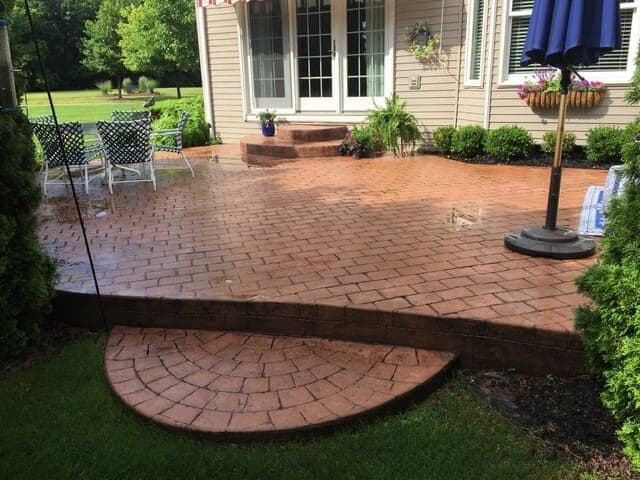
Stamped concrete patio sealed beside a brick home
Stamped concrete patio with steps and landscape boulders

Pool decks face constant water exposure

No surface on a typical property spends more time wet than a pool deck. Splash-out, rain, humidity and direct contact with pool water all add up to near-constant moisture exposure through the entire swimming season, and Southwestern Ontario's humid summers only extend that exposure. Unsealed concrete around a pool absorbs that water continuously, which speeds up staining, algae growth and eventually freeze-thaw cracking once the pool is closed for winter.

All-Seal's pool deck sealing addresses all of that at once. We apply sealers formulated to resist water penetration and chemical exposure, with an anti-slip additive included as standard, so the deck stays both durable and safe around bare feet.

Chlorine and pool chemicals stain unsealed concrete

Splashed pool water carries chlorine and other pool chemicals directly onto the surrounding deck every time someone gets in or out of the water. On unsealed concrete, that chemical exposure builds up over a season and can leave discolouration, particularly in areas that get less direct sun to dry out between swims. A sealed deck resists that chemical staining far better, keeping the surface looking consistent around the entire pool rather than patchy near the most-used entry points.

Algae growth in shaded, damp corners

Every pool deck has at least one shaded spot, whether from a fence, a tree or the house itself, and those areas stay damp longer than the rest of the deck. That is exactly where algae and mildew take hold on unsealed concrete, turning grey concrete a dull green and making that section slicker and less pleasant to walk on. Sealing reduces how much moisture the concrete holds onto, which starves algae of the damp surface it needs to establish itself.

Anti-slip protection where it matters most

Of every surface we seal, a pool deck is the one where anti-slip texture matters most. Wet feet, kids running from the water and older family members navigating around the pool all benefit from a deck that grips rather than one that turns slick the moment it gets splashed. That is why we include anti-slip additive as standard on pool deck sealing rather than treating it as an upsell. It is mixed directly into the sealer so it does not change the look of the finish, only how the surface feels underfoot.

  • Anti-slip additive included as standard around the pool
  • Resists chlorine and pool chemical staining
  • Reduces algae and mildew growth in shaded areas
  • Stays noticeably cooler underfoot in direct summer sun
  • Creates a uniform, attractive finish around the full deck
  • Protects against freeze-thaw cracking once the pool closes for the season

Staying cooler in the sun

An unsealed, weathered concrete pool deck can get uncomfortably hot underfoot on a bright summer afternoon, particularly on lighter-coloured concrete that reflects heat unevenly as it deteriorates. A properly sealed, even-toned deck surface tends to stay more comfortable in direct sun, which matters a great deal for kids running barefoot between the water and the lounge chairs.

Protecting the deck through the off-season

Pool season in Southwestern Ontario is short, but the deck sits exposed to weather all year round. Once the pool closes for winter, that same deck faces freeze-thaw cycles just like any other outdoor concrete surface. Sealing before winter means the deck is protected during the months you are not using it, not just during the swimming season, so it is ready to go again as soon as the pool reopens in spring.

A uniform look around the full surround

Pool decks are often built in sections over time, or repaired in one spot after a crack, which can leave the surface looking patchy even before any sealer is applied. Sealing the entire deck in one visit evens out that appearance, giving the full pool surround a consistent colour and sheen from the coping down to the outer edge, rather than drawing attention to where one section was poured or patched differently than another.

Best time to seal a pool deck

Late spring, just before pool season opens, is the most popular time to seal a deck, giving the sealer time to cure fully before regular foot traffic and splash-out begin. Fall sealing before pool closing is also a good option if you want the deck fully protected heading into winter.
Clients

What owners say after the first rain.

“They transformed my patio — it looks brand new! The team was professional, clean, and explained every step of the process.”
Sarah M. · Woodstock
“Exceeded expectations on our stamped driveway. The colour came back like it was freshly poured. Highly recommend their high-gloss finish.”
Dave R. · Hamilton
“Our pool deck finally feels safe for the kids. The anti-slip finish is exactly what we needed and it looks fantastic.”
Jennifer L. · Brantford

Free quote

Book pool deck sealing with a free inspection.

Send the surface, a rough size and a photo if you have one. We inspect for free, recommend a sheen and send a written quote. No deposit to get a number.

  • 519-266-6796
  • Mon – Fri · 7 AM – 6 PM | Sat · 8 AM – 2 PM
  • Woodstock · St. Thomas · Brantford · Hamilton · Kitchener-Waterloo · Cambridge
  • Free quotes and inspections
  • Anti-slip additives available
  • Works on previously sealed surfaces
  • Extends concrete lifespan 2–5 years
  • Premium products only
  • 10+ years experience

Tell us about your concrete

We reply within one business day.

Free inspection · No obligation · Reply within one business day

FAQ

Pool Deck Sealing questions

Anything else? Call or use the quote form and we will answer within one business day.

Call 519-266-6796
Is anti-slip additive included automatically?

Yes. Anti-slip additive is standard on every pool deck we seal, since safety around wet, bare feet matters more here than on almost any other surface.

Will sealing make the deck cooler in summer?

A properly sealed, even-toned deck tends to stay more comfortable underfoot in direct sun compared to a weathered, unsealed surface, though exact temperature depends on sun exposure and concrete colour.

Can sealing stop algae from growing on my pool deck?

Sealing significantly reduces how much moisture the concrete holds in shaded, damp areas, which limits the conditions algae need to take hold, though regular cleaning is still recommended in low-sun spots.

Does chlorine damage unsealed concrete?

Splashed pool water carrying chlorine and other chemicals can stain and discolour unsealed concrete over a season. Sealing creates a barrier that resists that chemical staining.

When should I schedule pool deck sealing?

Late spring before pool season opens is the most popular timing, though sealing in fall before the pool closes is also a good option to protect the deck through winter.

How long does pool deck sealing last?

Most pool decks hold their seal for 2 to 5 years, depending on sun exposure, chemical contact and how heavily the pool area is used.

Wet-look gloss sealer on a stamped concrete driveway in Woodstock, Ontario

Protect. Preserve. Seal.

Seal it before the salt trucks do their rounds.

Free inspection, written quote, your choice of finish. Spring and fall fill fast across Southwestern Ontario.

CallFree Quote